

Home improvement trends are evolving faster than ever, driven by technology, sustainability, and changing lifestyles. As we move through 2024, homeowners are embracing innovative solutions to create spaces that are not only beautiful but also functional and eco-friendly. From smart home integrations to biophilic design, these trends are reshaping how we live and interact with our surroundings. Whether you are renovating a single room or planning a full-scale upgrade, staying ahead of these trends can help you make informed decisions that add lasting value to your home.
Introduction & Background
Home improvement has always been about enhancing comfort, functionality, and aesthetics. However, in 2024, the focus has shifted toward holistic well-being, energy efficiency, and adaptability. The pandemic accelerated the demand for home offices and flexible living spaces, while climate concerns have pushed sustainability to the forefront. Today’s trends reflect a blend of technology and nature, creating homes that are smarter, greener, and more resilient. As urbanization continues and remote work remains a staple, these trends are not just passing fads but essential elements of modern living.
Concept & Overview
The core idea behind 2024’s home improvement trends is to merge innovation with personalization. Homeowners are seeking solutions that cater to their unique needs while aligning with global shifts toward sustainability and digital integration. This year, the emphasis is on creating multifunctional spaces that evolve with lifestyle changes, incorporating smart systems that enhance daily routines. Additionally, there is a strong push toward materials and designs that reduce environmental impact without sacrificing style. The result is a home that feels both cutting-edge and deeply connected to nature.
Key Features & Highlights
- Smart Home Integration: Automation is becoming a cornerstone of modern homes, with systems like voice-controlled lighting, smart thermostats, and security cameras gaining popularity. These technologies not only improve convenience but also enhance energy efficiency by learning and adapting to your habits.
- Sustainable Materials: Eco-friendly options such as reclaimed wood, bamboo flooring, and recycled glass countertops are in high demand. These materials reduce waste and lower carbon footprints while offering durability and timeless appeal.
- Multifunctional Spaces: The rise of hybrid living arrangements has led to the creation of rooms that serve multiple purposes. For example, home offices that double as guest rooms or kitchens that seamlessly transition into dining areas are now common design choices.
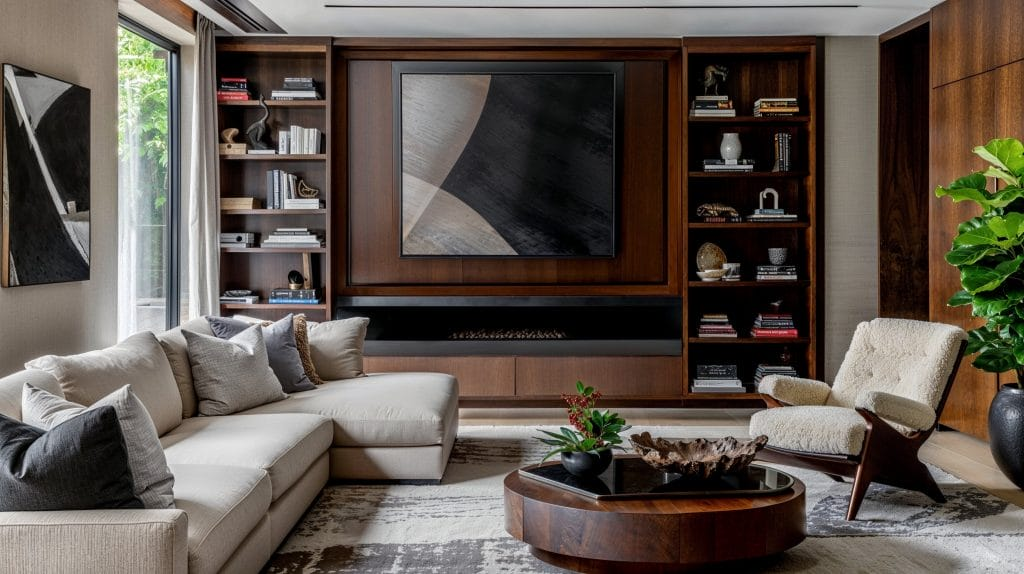
- Biophilic Design: This trend focuses on incorporating natural elements into interiors to boost mental well-being. Features like indoor plants, large windows for natural light, and organic textures create a calming environment that reconnects residents with nature.
- Minimalist Aesthetics: Clean lines, decluttered spaces, and neutral color palettes continue to dominate. This approach not only simplifies maintenance but also promotes a sense of tranquility and order in the home.
Frequently Asked Questions / Pros & Cons
What are the most cost-effective home improvement trends in 2024?
Sustainable materials and multifunctional furniture are among the most budget-friendly options. For instance, using reclaimed wood for shelves or investing in a sofa bed can save money while adding value to your home.
Are smart home technologies worth the investment?
Yes, especially for long-term savings on energy bills and increased security. While the initial cost may be high, smart systems often pay for themselves through reduced utility expenses and enhanced property value.
How can I incorporate biophilic design without a major renovation?
Start with small changes like adding indoor plants, using natural fabrics for curtains, or placing a small water feature in your living area. These adjustments can create a more serene environment without extensive remodeling.
What are the drawbacks of minimalist home design?
One potential downside is that minimalist spaces can feel cold or impersonal if not balanced with warm textures or personal touches. Additionally, maintaining a clutter-free environment requires discipline and regular upkeep.
Is it necessary to hire a professional for these home improvements?
It depends on the complexity of the project. While some trends like smart home installations or structural changes require professional expertise, others like painting or adding decorative elements can be DIY-friendly.
Practical Guidance & Solutions
To successfully implement these trends, start by assessing your home’s current layout and identifying areas that need improvement. Prioritize projects based on your budget and long-term goals. For example, if energy efficiency is a priority, focus on smart thermostats and sustainable insulation before tackling aesthetic upgrades. When incorporating multifunctional spaces, consider modular furniture that can adapt to different needs, such as a desk that converts into a dining table.
For those new to smart home technology, begin with a single system like a smart speaker or lighting control to familiarize yourself with the benefits. Gradually expand your setup as you become more comfortable. To embrace biophilic design, experiment with different plants and natural materials to see what resonates with your space and lifestyle.
Always research materials and technologies thoroughly to ensure they align with your values and practical needs. For sustainable options, look for certifications like FSC for wood or Cradle to Cradle for overall environmental impact. Finally, don’t be afraid to seek inspiration from design platforms or consult with professionals who can provide tailored advice for your specific home.
Conclusion
2024’s home improvement trends are more than just fleeting styles; they represent a shift toward creating homes that are smarter, greener, and more adaptable to modern life. By embracing smart technology, sustainable materials, and multifunctional designs, you can transform your space into a sanctuary that reflects your values and enhances your daily living. Whether you are making small changes or undertaking a major renovation, these trends offer endless possibilities to redefine your home. As you embark on your home improvement journey, remember that the best design choices are those that align with your unique needs and aspirations, ensuring your space remains both timeless and deeply personal.



More Stories
News Home Reports That Matter Most
Smart Readers Choose News Home Daily
News Home Updates for Smarter Choices