
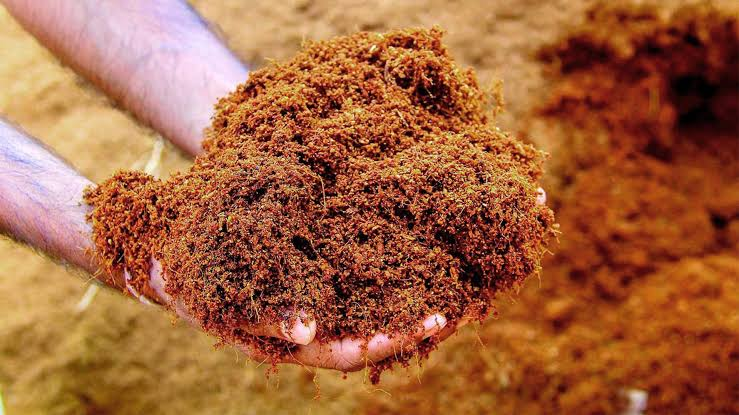
Introduction to Coco Peat and Its Growing Demand
Coco peat has become an increasingly popular growing medium in agriculture, horticulture, and commercial plant production. Made from the fibrous husk of coconuts, this natural material is valued for its water retention, lightweight structure, and versatility. As more growers seek efficient and sustainable cultivation methods, coco peat continues to attract attention in both domestic and international markets.
Indonesia is well positioned to support this growing demand because of its coconut production and established agricultural sector. Coconut husks, which were traditionally considered agricultural waste in some applications, can be processed into useful growing media and other commercial materials. With appropriate processing and quality control, these materials can serve nurseries, greenhouses, hydroponic farms, and landscaping businesses.
Understanding coco peat quality, product specifications, and supplier capabilities is essential for businesses that want to maintain consistent growing conditions and reliable supply chains.
Understanding Coco Peat and Its Benefits
Coco peat is a natural growing medium produced from the pith and fine particles of coconut husks. It is commonly used as an alternative or supplement to materials such as peat moss and conventional soil mixtures. Its physical properties make it suitable for many cultivation systems, particularly those requiring consistent moisture management.
One of its main benefits is water retention. Coco peat can absorb and hold moisture, helping maintain a suitable environment around plant roots. This characteristic is particularly useful in greenhouses, nurseries, and container gardening, where watering schedules and moisture levels can significantly affect plant development.
Coco peat also provides a relatively lightweight structure that is convenient for handling and transportation. When properly processed, it can create a favorable balance between moisture retention and air circulation. These properties support root development when the material is selected and managed according to the needs of a particular crop.
Another advantage is its versatility. Growers can use coco peat on its own for certain applications or combine it with other growing media to achieve specific physical characteristics. It is commonly used for vegetables, ornamental plants, seedlings, and selected commercial horticultural crops.
However, coco peat quality varies depending on its source and processing methods. Factors such as salinity, pH, moisture content, particle size, and consistency should be evaluated before selecting a product for commercial cultivation.
Why Choose a Supplier Cocopeat Indonesia Businesses Can Trust?
Working with a reliable supplier cocopeat indonesia can help international buyers access coconut-based growing media while establishing a more consistent procurement process. Indonesia’s coconut industry provides opportunities for sourcing materials derived from locally available agricultural resources.
A dependable supplier should understand the needs of different customers, including commercial growers, distributors, wholesalers, and agricultural product manufacturers. This understanding helps ensure that the supplied materials match their intended applications.
Quality consistency is one of the most important considerations. Coco peat with excessive salt content or inconsistent moisture characteristics may create challenges for sensitive crops. Buyers should therefore request product specifications and, when possible, laboratory test results that demonstrate whether the material meets their requirements.
Production capacity is another essential factor. Businesses that purchase in bulk need suppliers capable of maintaining consistent quality across multiple shipments. Clear communication about order quantities, packaging formats, production schedules, and shipping arrangements can help prevent unnecessary delays.
International buyers should also consider export experience. Suppliers familiar with export documentation, packaging requirements, and shipment coordination can make the purchasing process more manageable. Establishing clear expectations from the beginning supports stronger business relationships and improves long-term supply planning.
Different Types of Coco Peat Products Available
Coco peat is available in several forms to accommodate different cultivation systems and commercial requirements. Understanding these formats can help buyers choose products that fit their operational needs.
Compressed coco peat blocks are among the most widely traded formats. These blocks are compacted to reduce storage and transportation requirements. After adding water, the material expands and becomes suitable for preparing growing media. Block sizes and compression levels can vary depending on the manufacturer’s specifications.
Coco peat bricks provide a smaller, convenient format for retail gardening, household planting, and small-scale horticulture. They are generally easier to handle in limited quantities and can be packaged for individual customers or garden supply stores.
Loose coco peat is another option for businesses that need material ready for mixing or processing. It may be suitable for nurseries, greenhouse operators, and manufacturers producing customized growing media.
Some suppliers also offer coco peat blended with coco chips or coconut fibers. These combinations can modify drainage, aeration, and moisture retention, depending on the ratio and characteristics of each component.
Before placing an order, buyers should confirm the product’s particle size, expansion characteristics, moisture level, and packaging format. Selecting the appropriate type can improve handling efficiency and help create a more suitable growing environment.
The Role of Coconut Husk Products in Sustainable Agriculture
A coconut husk product can serve a variety of purposes beyond growing media, making coconut processing an important part of agricultural resource utilization. The outer husk contains fibrous strands and pith that can be separated and processed into different materials.
Coco peat is commonly used for plant cultivation because of its moisture-retention properties. Longer coconut fibers, meanwhile, are used to manufacture ropes, mats, brushes, erosion control products, and other fibrous materials. Coco chips can also be incorporated into growing media to improve drainage and create a coarser structure.
Using these materials helps create additional value from coconut husks that might otherwise be underutilized. This approach can support more efficient resource management while creating opportunities for agricultural processors, manufacturers, and exporters.
Coconut-based materials can also offer environmental advantages when responsibly sourced and appropriately processed. Many natural coir products can biodegrade under suitable conditions, although the rate depends on processing, environmental factors, and product composition.
Sustainability should nevertheless be evaluated across the entire supply chain. Washing, drying, processing, packaging, and transportation require resources, so responsible sourcing and efficient production remain important considerations.
Quality Standards Buyers Should Consider
Choosing coco peat for commercial use requires more than comparing prices. Product quality directly affects its suitability for different crops and cultivation methods.
Salinity is a particularly important factor because excessive soluble salts can negatively affect plant growth. Buyers should ask about electrical conductivity measurements and determine whether the product meets the requirements of their intended crops.
The pH level should also be checked to ensure compatibility with the growing system. Although coco peat is suitable for many plants, different crops have different requirements, and growing media may need additional adjustments.
Moisture content influences both product handling and shipping weight. Buyers should clarify whether specifications refer to dry or moist material so that products can be compared accurately.
Particle size and fiber content are equally relevant. Fine coco peat may retain more water, while coarser materials can provide better drainage and air circulation. The appropriate balance depends on the plants being cultivated and the irrigation system being used.
Finally, packaging and contamination prevention should not be overlooked. Clean packaging, appropriate storage, and consistent processing help protect the material during transportation and storage.
Export Opportunities for Indonesian Coco Peat
Indonesia’s coconut resources create opportunities for businesses supplying growing media to international agricultural markets. Coco peat is used by commercial growers, nurseries, distributors, and gardening retailers in countries where controlled cultivation and efficient water management are important.
Export buyers often prioritize reliable quality, competitive pricing, consistent availability, and suitable packaging. These requirements make supplier selection an important part of international purchasing decisions.
Compressed blocks and bricks can help reduce shipping volume, while larger bulk formats may suit commercial buyers with established processing facilities. The best option depends on the buyer’s storage capacity, transportation arrangements, and intended use.
Effective communication is also essential for international trade. Suppliers and buyers should agree on product specifications, order quantities, delivery schedules, payment arrangements, and required export documentation before confirming transactions.
Businesses entering the coco peat market can benefit from requesting samples and reviewing technical information before making large purchases. This process helps establish realistic quality expectations and reduces the risk of receiving materials that are unsuitable for the intended application.
Building Long-Term Relationships With Coco Peat Suppliers
A strong supplier relationship can help businesses maintain a dependable supply of agricultural materials. Rather than focusing exclusively on the initial purchase price, buyers should consider product consistency, communication, production capacity, and the supplier’s ability to meet agreed specifications.
Regular quality checks can help identify differences between shipments and support more consistent cultivation results. Maintaining clear records of product specifications and previous orders also makes future purchasing decisions easier.
Buyers should communicate their requirements in detail, including preferred block dimensions, moisture limits, salinity levels, packaging methods, and expected order volumes. Providing this information allows suppliers to determine whether they can meet the requirements effectively.
For businesses planning to expand, a dependable supply arrangement can support better inventory management and more predictable operations. Careful supplier evaluation and clear communication are therefore essential to developing sustainable commercial partnerships.
Conclusion
Coco peat offers practical benefits for agriculture, horticulture, and commercial plant production because of its moisture retention, lightweight structure, and versatility. Indonesia’s coconut industry provides opportunities for sourcing these materials for both domestic and international markets.
Selecting a suitable supplier requires careful attention to product specifications, quality control, packaging, production capacity, and export arrangements. Buyers who evaluate these factors can make more informed purchasing decisions and establish reliable supply relationships.
By understanding the different forms of coco peat and other coconut-derived materials, businesses can identify products that match their cultivation or manufacturing needs while making productive use of renewable agricultural resources.
Contact Information
Visi Arlion International PVT LTD
WhatsApp: (+62)812 1233 3590 (Ms. Maria)
Email: [email protected]



More Stories
Heavy Duty Rubber Mats and Industrial Rubber Flooring: Benefits, Applications, and Selection Tips
From Search to Solution: Making Better Choices With Online Information
Unlock the Secrets: Your Ultimate General Guide to Life’s Best Kept Secrets