
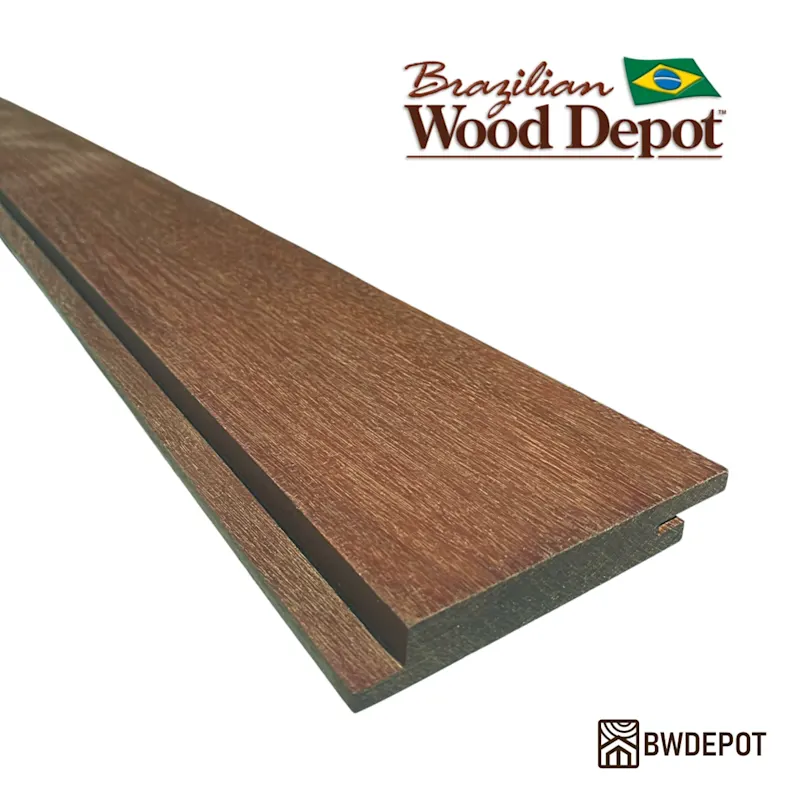
Contemporary architecture often relies on clean lines, large windows, simple forms, and materials such as concrete, stone, steel, and glass. While these elements can create a striking modern appearance, they can also make an exterior feel cold without a contrasting natural material. This is one reason architects, builders, and homeowners increasingly incorporate hardwood cladding into modern designs.
Ipe is particularly well suited to this role. This dense Brazilian hardwood combines rich natural coloration with the durability required for demanding outdoor environments. Used as exterior siding, Ipe can soften modern architecture without sacrificing the clean, sophisticated appearance that defines contemporary design.
A Natural Material With Distinctive Character
Unlike manufactured siding designed to make every piece look identical, Ipe naturally varies from board to board. Fresh material typically displays medium-to-dark brown coloration, with individual boards potentially showing chocolate, olive, amber, or reddish undertones.
These subtle differences create depth across an exterior wall. From a distance, the siding can appear cohesive and refined. Up close, variations in grain and tone reveal that the façade is constructed from genuine hardwood.
This makes Ipe Exterior Siding especially attractive for projects where natural materials are intended to complement modern architectural features.
Pairing Ipe With Modern Building Materials
One of the advantages of Ipe siding is its versatility. Its deep brown tones can create an effective contrast against light stucco, white masonry, concrete, or pale stone. The same wood can also work alongside charcoal siding, black window frames, steel details, and other darker finishes.
Designers do not necessarily need to cover an entire building in hardwood. Ipe can be used selectively to emphasize an entrance, upper story, outdoor living area, architectural projection, or feature wall.
This approach allows the natural material to become a focal point while maintaining a balanced exterior design.
Why a Rainscreen System Matters
The appearance of hardwood siding is important, but exterior performance depends heavily on what happens behind the boards. A rainscreen system installs the siding over furring strips rather than placing the hardwood directly against the underlying wall.
This creates a continuous cavity behind the siding. The space provides a pathway for incidental moisture to drain while allowing air to circulate behind the boards.
Ventilation is particularly valuable with natural wood because wood responds to changing moisture conditions. Providing drying potential behind the siding helps the material experience more balanced conditions than it would against a surface where moisture could remain trapped.
Durability for Exterior Applications
Appearance alone would not make Ipe an effective cladding material. Its physical properties are an equally important part of its appeal.
Ipe is an exceptionally dense hardwood with natural resistance to rot, insects, moisture, and outdoor deterioration. These characteristics explain why the species is used for demanding applications ranging from decks and docks to fences and exterior siding.
Its durability is natural rather than dependent on chemical pressure treatment. For owners investing in a premium façade, this provides an opportunity to combine real wood with the long-term performance expected from an exterior building material.
Allow the Wood to Gray or Maintain the Brown?
Ipe does not maintain its original color indefinitely without maintenance. Exposure to ultraviolet light gradually changes the surface from brown to a silver-gray patina.
Some architects and homeowners consider this natural transformation part of the design. Weathered Ipe can provide a sophisticated gray appearance while retaining the grain and texture of real wood.
Property owners who prefer the original brown coloration can periodically clean the siding and apply a UV-protective hardwood oil. The decision is largely aesthetic: the siding can be maintained for richer color or allowed to weather naturally.
Creating a Clean Façade With Hidden Fasteners
Visible rows of screws can interfere with the clean lines of contemporary architecture. Brazilian Wood Depot’s Real RainScreen Siding system uses a concealed H-Clip fastening approach, keeping fasteners from dominating the visible face of the hardwood.
The result is a cleaner exterior in which the wood grain, board layout, and architectural form remain the primary visual elements.
Contact Brazilian Wood Depot
Brazilian Wood Depot supplies premium Brazilian hardwood products for residential and commercial projects, including hardwood siding, decking, fencing, tongue-and-groove products, deck tiles, fasteners, and accessories. Nationwide delivery is available from the company’s Atlanta location.
Brazilian Wood Depot
6770 Buford Highway NE
Atlanta, GA 30340
Phone: 770-242-0045
Email: [email protected]
Hours: Monday-Friday, 7:00 a.m.-3:00 p.m. EST
For contemporary projects that need the warmth of natural wood without giving up exterior durability, Ipe offers a distinctive combination of architectural character, strength, and long-term performance.

More Stories
Heavy Duty Rubber Mats and Industrial Rubber Flooring: Benefits, Applications, and Selection Tips
Choosing a Reliable Supplier for Coco Peat in Indonesia
From Search to Solution: Making Better Choices With Online Information