
The presence of allergens within the home often goes unnoticed until symptoms emerge. Sneezing, watery eyes, or lingering fatigue can all be traced to hidden irritants embedded in dust, fabrics, or stagnant air. The solution lies not in temporary relief but in sustained action. With allergy free cleaning, a household can be transformed into a haven where every breath feels lighter and healthier.
The Impact of Routine Care
Allergens thrive in environments where neglect allows them to accumulate. Dust mites settle in carpets, pet dander clings to upholstery, and pollen sneaks indoors through open windows. Tackling these sources requires consistency rather than occasional effort. By adopting regular health habits, families can disrupt the cycle of buildup and minimize exposure before it triggers discomfort.
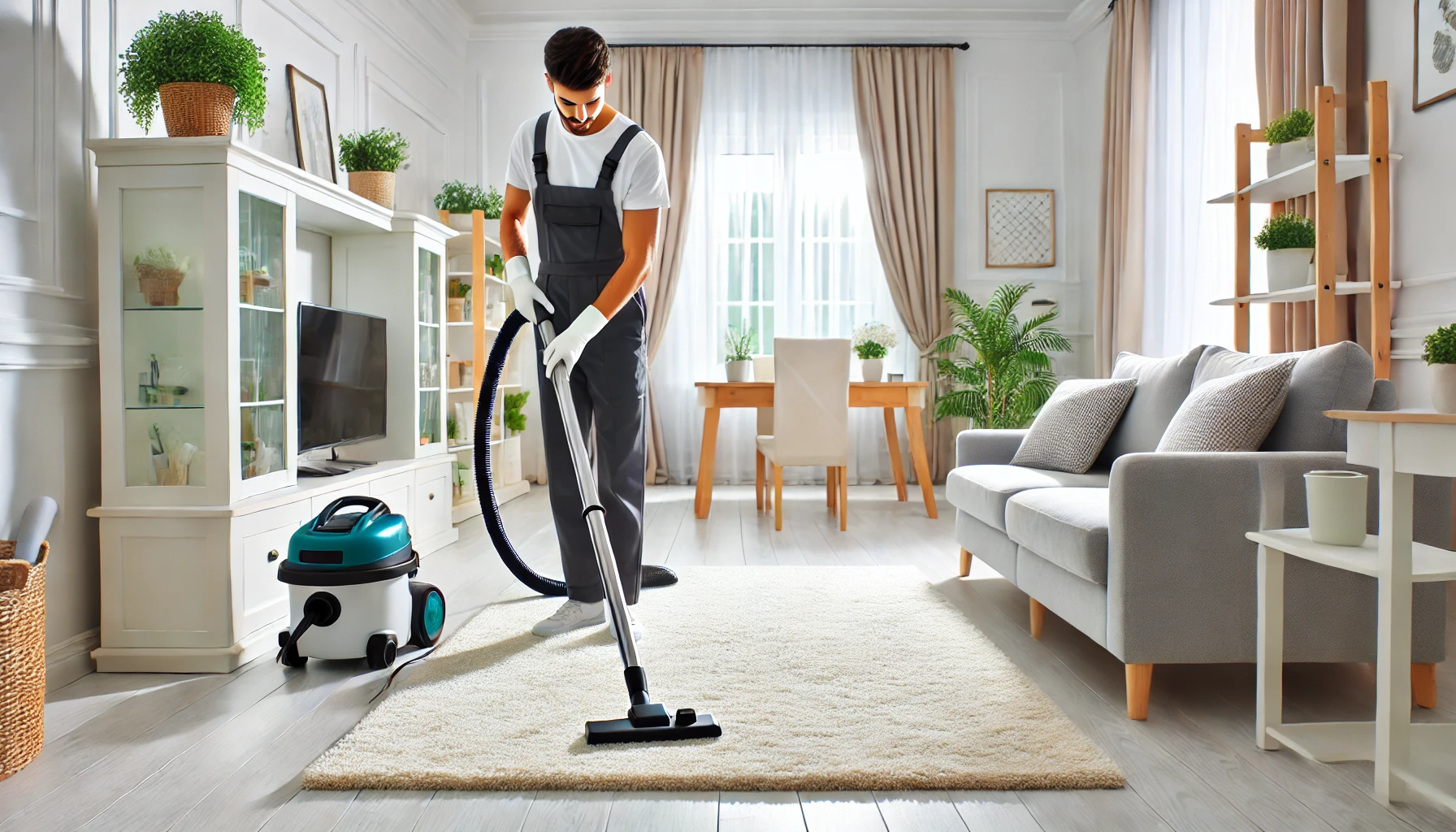
A simple practice such as vacuuming with a HEPA filter once or twice a week significantly reduces the presence of allergens. Wiping down high-touch surfaces daily prevents the spread of irritants that easily transfer from hands to faces. These gestures appear modest yet protectively shape the air that residents and guests inhale.
The Role of Fresh Air
Indoor air quality influences well-being as profoundly as the cleanliness of surfaces. Stale air traps dust and allergens, intensifying their effects. Integrating clean air tips into daily life can dramatically improve comfort. Opening windows at appropriate times, especially in the early morning or evening when pollen counts are lower, revitalizes the atmosphere.
Air purifiers with activated carbon filters can capture both allergens and odors, ensuring that air remains crisp and refreshing. Houseplants, chosen wisely, also contribute by enhancing oxygen levels and subtly filtering pollutants. Together, these steps craft an environment where the very air feels rejuvenating.
Targeting Hidden Zones
Certain areas of the home often escape attention, yet they harbor significant allergen buildup. Mattresses, for instance, absorb sweat, skin cells, and dust mites over time. Regular washing of bedding in hot water, combined with mattress covers designed to block allergens, creates a protective shield. Upholstered furniture deserves equal care, with cushions vacuumed thoroughly and slipcovers laundered regularly.
Curtains, blinds, and rugs also demand attention. Neglecting them allows allergens to linger unnoticed. Including these zones in cleaning routines reinforces the protective barrier that allergy free cleaning aims to establish.
Kitchens and Bathrooms as Critical Spaces
Moisture provides fertile ground for mold, another common allergy trigger. Kitchens and bathrooms, with their constant exposure to water, must be monitored closely. Using exhaust fans to reduce humidity, wiping down surfaces promptly, and inspecting for leaks all contribute to prevention.
In kitchens, ensuring that sinks and counters are sanitized daily minimizes bacteria and mold spores. In bathrooms, washing shower curtains and scrubbing tiles regularly curtails mold growth. These practices not only maintain cleanliness but also strengthen the foundation of healthy living care.
The Importance of Decluttering
Clutter is more than an eyesore. It creates pockets where dust and allergens thrive unnoticed. By reducing unnecessary items on shelves, minimizing excess textiles, and storing belongings neatly, the task of cleaning becomes both simpler and more effective.
Decluttering aligns naturally with regular health habits. A home with fewer obstacles is easier to maintain, leading to reduced allergen accumulation and an environment that feels visibly calmer and healthier.
Seasonal Adjustments
Allergy prevention also requires adaptability. Seasonal changes influence what enters the home. Spring may carry pollen, autumn introduces leaf mold, and winter often brings dust accumulation from closed windows. Adjusting cleaning strategies accordingly ensures that no season overwhelms the household.
During high-pollen months, laundering clothing promptly and keeping windows closed during midday helps. In colder months, paying special attention to heating systems and air ducts prevents dust circulation. This seasonal mindfulness forms part of a holistic approach to healthy living care.
The Psychological Benefit
Clean, allergen-free spaces extend benefits beyond physical health. They foster peace of mind. Waking up without congestion or moving through a home without irritants enhances both mood and productivity. A sense of clarity arises, rooted in the assurance that the environment supports well-being.
Families who commit to allergy free cleaning often find their quality of life improves significantly. Small children and older adults, typically more vulnerable, particularly benefit from reduced exposure to irritants. Guests, too, feel welcomed into a space that prioritizes comfort and health.
Lasting Balance
Sustaining these practices requires dedication, but the results make the effort worthwhile. By blending clean air tips with regular health habits, households create a cycle of protection. Surfaces remain polished, air feels breathable, and the invisible threats that once lingered lose their power.
In the end, cleanliness becomes more than a routine. It evolves into a philosophy of care. Through thoughtful routines and healthy living care, a home becomes not only aesthetically pleasing but also a refuge where allergies are kept at bay and well-being flourishes.


More Stories
Regular Cleaning Plans for Every Lifestyle
Regular Cleaning Tricks for Modern Homes
Regular Cleaning Hacks for Busy Families