

Renovate, Refresh, Revive: The Latest Buzz in Home Improvement Trends
Home improvement is no longer just about fixing what’s broken—it’s about transforming spaces into personalized sanctuaries that reflect modern lifestyles, sustainability goals, and cutting-edge technology. Whether you’re a first-time homeowner, a seasoned renovator, or someone looking to sell, staying ahead of the latest trends can elevate your space while adding long-term value. From biophilic design to smart home integrations, the world of home improvement is evolving faster than ever. Let’s dive into the hottest trends shaping homes in 2024 and beyond.
The Rise of Biophilic and Nature-Inspired Designs
As urban living becomes increasingly disconnected from nature, homeowners are turning to biophilic design—an approach that integrates natural elements to boost well-being and creativity. This trend goes far beyond adding a few potted plants; it’s about creating a seamless connection between indoor and outdoor spaces.
Key elements of biophilic design include:
- Maximized natural light: Large windows, skylights, and glass doors not only brighten interiors but also reduce reliance on artificial lighting.
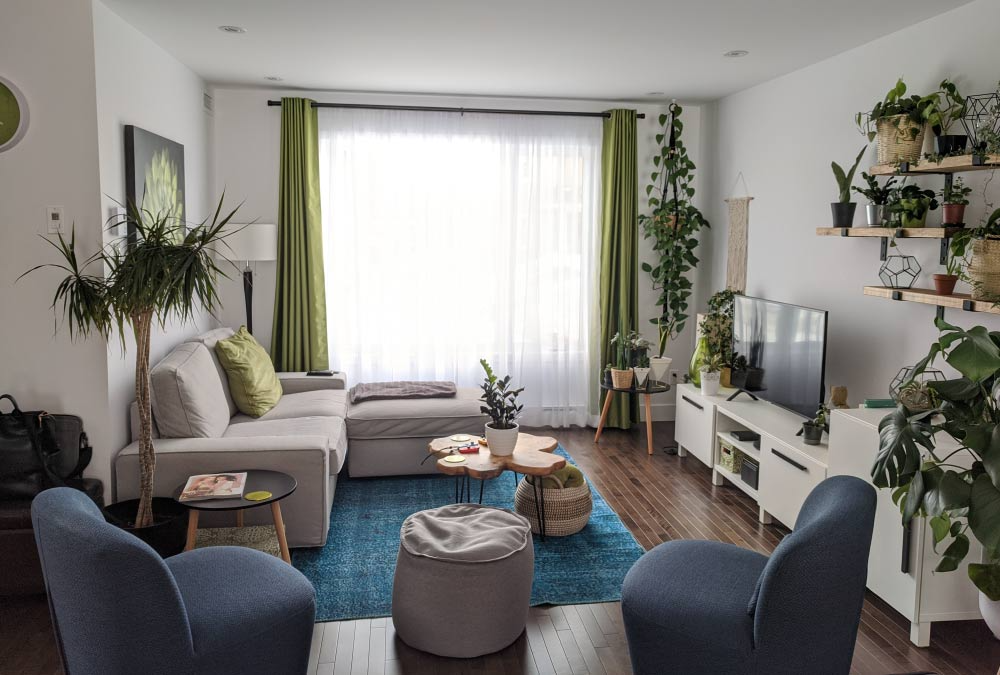
- Indoor greenery: Vertical gardens, living walls, and low-maintenance plants like snake plants and pothos are becoming staples in modern homes.
- Natural materials: Wood, stone, bamboo, and cork are favored for flooring, countertops, and furniture due to their sustainability and aesthetic appeal.
- Water features: Small indoor fountains or tabletop waterfalls add a soothing auditory element while enhancing tranquility.
Beyond aesthetics, studies show that biophilic design can lower stress levels, improve air quality, and even enhance productivity—making it a win-win for both homeowners and renters alike.
Smart Homes Get Smarter: AI and Automation Take Center Stage
Smart home technology has moved beyond novelty gadgets to become an integral part of modern living. In 2024, the focus is on seamless integration, energy efficiency, and personalized automation. Homeowners are no longer satisfied with basic smart bulbs or thermostats; they want systems that anticipate their needs and work harmoniously together.
The latest smart home trends include:
- AI-powered assistants: Voice-controlled devices like Amazon Echo, Google Nest, and Apple HomePod are evolving with advanced AI that learns user preferences over time.
- Whole-home automation: Platforms like Control4 and Crestron allow users to control lighting, security, climate, and entertainment systems from a single app or voice command.
- Energy monitoring: Smart meters and devices like Sense and Emporia track energy usage in real time, helping homeowners reduce waste and lower utility bills.
- Predictive maintenance: AI-driven systems can detect issues in appliances (like HVAC systems or washing machines) before they fail, saving costly repairs.
- Enhanced security: Facial recognition, smart locks (e.g., Yale or August), and AI-powered cameras (like Ring or Arlo) provide robust, customizable security solutions.
The appeal of smart homes lies in their ability to simplify daily routines while promoting sustainability—making them a top priority for tech-savvy and eco-conscious homeowners.
Sustainability Meets Style: Eco-Friendly Renovations Gain Momentum
With climate change at the forefront of global conversations, sustainability is no longer a niche interest—it’s a necessity. Homeowners are increasingly seeking ways to reduce their carbon footprint without sacrificing style or comfort. From recycled materials to energy-efficient upgrades, eco-friendly renovations are shaping the future of home improvement.
Here are some of the most popular sustainable trends in 2024:
- Reclaimed and recycled materials: Salvaged wood, recycled glass countertops, and repurposed metal are being used for flooring, furniture, and decor.
- Passive house principles: Homes designed with superior insulation, airtight construction, and strategic window placement reduce energy consumption drastically.
- Solar power integration: Solar roof tiles (like Tesla’s Solar Roof) and portable solar panels are becoming more accessible, allowing homeowners to generate their own clean energy.
- Low-VOC and non-toxic paints: Brands like Benjamin Moore and Sherwin-Williams now offer zero-VOC paints that improve indoor air quality while providing vibrant colors.
- Water-saving fixtures: Low-flow faucets, showerheads, and dual-flush toilets (e.g., Kohler’s Highline series) help conserve water without compromising performance.
- Upcycled and vintage furniture: Thrifting and restoring secondhand pieces not only reduce waste but also add unique character to interiors.
The shift toward sustainable living isn’t just a trend—it’s a movement that aligns with both environmental responsibility and long-term cost savings. As more manufacturers prioritize eco-friendly production, homeowners can enjoy stylish, high-quality renovations that benefit the planet.
Bold Colors and Textures: The Return of Maximalism
After years of minimalist dominance, 2024 is ushering in a wave of maximalism—where self-expression takes precedence over restraint. Homeowners are embracing rich colors, layered textures, and eclectic decor to create spaces that feel vibrant, dynamic, and deeply personal. This trend is all about breaking the rules and celebrating individuality.
Key elements of maximalist home improvement include:
- Rich, saturated colors: Deep jewel tones like emerald green, sapphire blue, and burnt orange are replacing neutral palettes. Accent walls, bold wallpaper, and statement furniture in vivid hues are in vogue.
- Mixed patterns and textures: Florals, stripes, geometric prints, and abstract designs are layered together for visual depth. Think velvet sofas, woven rattan chairs, and metallic finishes.
- Art as a focal point: Large-scale artwork, gallery walls, and oversized mirrors add personality and drama to rooms.
- Statement ceilings: Painted ceilings, intricate moldings, or wooden beams draw the eye upward, adding architectural interest.
- Vintage and global influences: Moroccan lanterns, Asian-inspired screens, and retro furniture pieces bring a sense of worldly charm to interiors.
Maximalism isn’t about clutter—it’s about curation. The goal is to create spaces that tell a story, evoke emotions, and reflect the homeowner’s passions. For those hesitant to commit, starting with a single bold piece (like a brightly colored sofa or a patterned rug) can be a gateway to full maximalist expression.
Multifunctional Spaces: Adapting to the New Work-Life Balance
The way we use our homes has fundamentally changed since the pandemic. With remote work, hybrid schedules, and blended family dynamics becoming the norm, the demand for multifunctional spaces has skyrocketed. Homeowners are reimagining their layouts to accommodate work, wellness, entertainment, and relaxation—all within the same square footage.
Some of the most effective ways to create multifunctional spaces include:
- Home offices with dual purposes: A desk tucked into a bedroom or living room corner can double as a vanity or crafting station. Foldable desks and Murphy beds are also gaining popularity.
- Convertible furniture: Sofa beds, extendable dining tables, and nesting coffee tables maximize flexibility without sacrificing style.
- Zoning with rugs and lighting: Defining areas with different rug textures or lighting levels (e.g., warm lighting for a cozy nook vs. bright task lighting for a workspace) helps delineate spaces visually.
- Hidden storage solutions: Built-in cabinets, under-stair drawers, and ottomans with storage compartments keep clutter at bay while maintaining a clean aesthetic.
- Outdoor living extensions: Weatherproof furniture, outdoor kitchens, and fire pits blur the lines between indoor and outdoor living, creating additional usable space.
Whether it’s a studio apartment or a sprawling suburban home, multifunctional design ensures that every inch of space serves a purpose. This trend is particularly appealing to urban dwellers and those looking to downsize without compromising on functionality.
Outdoor Oases: Blurring the Lines Between Indoor and Outdoor Living
The great outdoors is no longer just for barbecues and gardening—it’s becoming an extension of the home’s living area. As climate change affects weather patterns, homeowners are investing in outdoor spaces that are not only beautiful but also functional year-round. From cozy fire pits to fully equipped kitchens, the line between indoors and outdoors is fading fast.
Popular outdoor living trends include:
- All-weather furniture: Weather-resistant sofas, dining sets, and lounge chairs (often made from synthetic rattan or powder-coated aluminum) allow for year-round use.
- Outdoor kitchens and bars: Built-in grills, pizza ovens, refrigerators, and even wine coolers are transforming backyards into entertainment hubs.
- Covered and heated areas: Pergolas with retractable canopies, screened-in porches, and outdoor heaters extend usability into cooler months.
- Water features: Infinity pools, reflecting pools, and small ponds add a luxurious touch while enhancing relaxation.
- Landscape lighting: Solar-powered path lights, string lights, and uplighting create ambiance and improve safety after dark.
- Vertical gardening: Raised garden beds, hydroponic systems, and trellises maximize greenery in small spaces.
With more people working from home and seeking sanctuary from urban environments, outdoor living is no longer an afterthought—it’s a priority. Investing in these spaces not only enhances quality of life but also increases property value.
Budget-Friendly Renovations: Big Impact, Small Budget
Renovating a home doesn’t have to break the bank. In fact, many of the hottest trends can be achieved with minimal spending by focusing on strategic updates rather than full-scale overhauls. Clever DIY solutions, upcycling, and phased renovations allow homeowners to refresh their spaces without financial strain.
Here are some affordable ways to revitalize a home:
- Paint refresh: A fresh coat of paint on walls, cabinets, or furniture can transform a room instantly. Accent walls or bold front doors add personality for under $100.
- Swap hardware: Replacing outdated cabinet knobs, drawer pulls, and light fixtures (e.g., brass to matte black) can modernize a kitchen or bathroom for less than $50.
- DIY backsplashes: Peel-and-stick tiles or hand-painted designs offer a high-end look without the contractor price tag.
- Thrifted and upcycled decor: Vintage frames, refurbished furniture, and flea market finds add character without the designer markup.
- Energy-efficient upgrades: Swapping incandescent bulbs for LEDs or installing a smart thermostat can reduce utility bills while cutting carbon footprints.
- Phased renovations: Tackling one room at a time (e.g., starting with the kitchen or bathroom) spreads out costs and allows for prioritization.
The key to budget-friendly renovations is creativity and patience. With a little ingenuity, even the smallest changes can make a significant impact.
Final Thoughts: Trends to Watch in the Coming Years
The world of home improvement is evolving at a rapid pace, driven by technological advancements, environmental awareness, and changing lifestyles. While trends come and go, the underlying themes—sustainability, personalization, and adaptability—are here to stay. Whether you’re drawn to the warmth of biophilic design, the convenience of smart homes, or the boldness of maximalism, the best renovations are those that align with your values and enhance your daily life.
As you plan your next home project, consider starting small with a few key changes before committing to larger renovations. Trends may guide inspiration, but your home should ultimately reflect your unique vision. After all, the most beautiful spaces are the ones that feel authentically *you*.


More Stories
News Home Updates for Smarter Choices
Housing Market Unveiled: Trends, Turmoil, and Tomorrow’s Forecast
Top Trends Shaking Up the Real Estate Market in 2024