

Introduction to the World of Professional Carpet Cleaning
Carpets are more than just floor coverings; they are investments in comfort, style, and indoor air quality. Over time, however, they accumulate dirt, allergens, and stains that not only dull their appearance but also pose health risks. Professional carpet cleaning goes beyond surface maintenance—it revitalizes fibers, extends carpet life, and creates a healthier living environment. This guide explores the intricate blend of art and science behind professional carpet cleaning, revealing the secrets that transform grimy carpets into pristine masterpieces.
The Science Behind Carpet Cleaning: How It Works
At its core, professional carpet cleaning relies on a combination of chemistry, physics, and engineering. The process begins with an understanding of carpet fibers, which vary in material (nylon, polyester, wool, etc.) and construction (loop, cut pile, shag). Each type responds differently to cleaning agents, water temperatures, and agitation techniques. For instance, wool carpets are sensitive to alkaline solutions, while synthetic fibers can withstand stronger detergents.
The science also extends to the cleaning methods themselves. Hot water extraction, for example, leverages heat to break down grease and oils, while steam cleaning uses high-pressure jets to dislodge embedded dirt. Understanding these principles allows professionals to tailor their approach based on carpet type, soil level, and environmental factors such as humidity and ventilation.
The Role of Chemistry in Carpet Cleaning
Cleaning agents, or detergents, are the unsung heroes of carpet cleaning. They are formulated to target specific types of stains—whether organic (food, pet dander), inorganic (dirt, minerals), or synthetic (ink, adhesives). Enzymatic cleaners, for instance, break down organic matter by using biological catalysts, while pH-neutral detergents preserve delicate fibers. The key is balancing effectiveness with safety, ensuring the solution removes dirt without leaving harmful residues or damaging the carpet.
Another critical chemical process is emulsification. Detergents contain surfactants that reduce the surface tension of water, allowing it to penetrate deep into carpet fibers. This lifts dirt and oils, which are then suspended in the cleaning solution and extracted during the rinsing phase. Without proper emulsification, dirt would remain trapped in the fibers, leading to rapid re-soiling.
The Art of Professional Carpet Cleaning: Technique and Precision
While science provides the tools and principles, the art of carpet cleaning lies in execution. Professional cleaners combine technical expertise with a keen eye for detail, adapting their techniques to each unique situation. The process begins with a pre-inspection, where the technician assesses the carpet’s condition, identifies problem areas, and selects the appropriate cleaning method. This step is crucial, as it determines the entire cleaning strategy.
One of the most artful aspects of carpet cleaning is stain removal. Professionals don’t just apply cleaner—they analyze the stain’s origin, age, and composition before choosing a targeted solution. For example, protein-based stains like blood require enzymatic cleaners, while tannin stains from coffee or wine may need oxidizing agents. The technician’s skill in applying the right product in the right amount, followed by gentle agitation and precise extraction, separates amateur attempts from professional results.
The Importance of Pre-Treatment and Agitation
A thorough pre-treatment is essential for breaking down ground-in dirt and stains before the main cleaning process. Professional cleaners often use grooming tools like carpet rakes or bonnet machines to loosen embedded debris, ensuring that the cleaning solution penetrates deeply. Agitation is equally critical—whether through rotary brushes, oscillating pads, or manual scrubbing, it helps dislodge dirt that clings to fibers. Without adequate agitation, even the most potent detergents will fail to deliver optimal results.
The art also extends to drying techniques. Professionals use high-velocity air movers or dehumidifiers to accelerate drying, preventing mold growth and minimizing downtime. Some even employ advanced techniques like counter-rotating brush systems to fluff fibers and restore the carpet’s original texture. This level of precision ensures that the carpet not only looks clean but feels fresh and rejuvenated.
Popular Professional Carpet Cleaning Methods
Not all carpet cleaning methods are created equal. The choice of technique depends on the carpet’s material, the type of dirt, and the desired outcome. Below are the most widely used professional methods, each with its own advantages and applications.
Hot Water Extraction (Steam Cleaning)
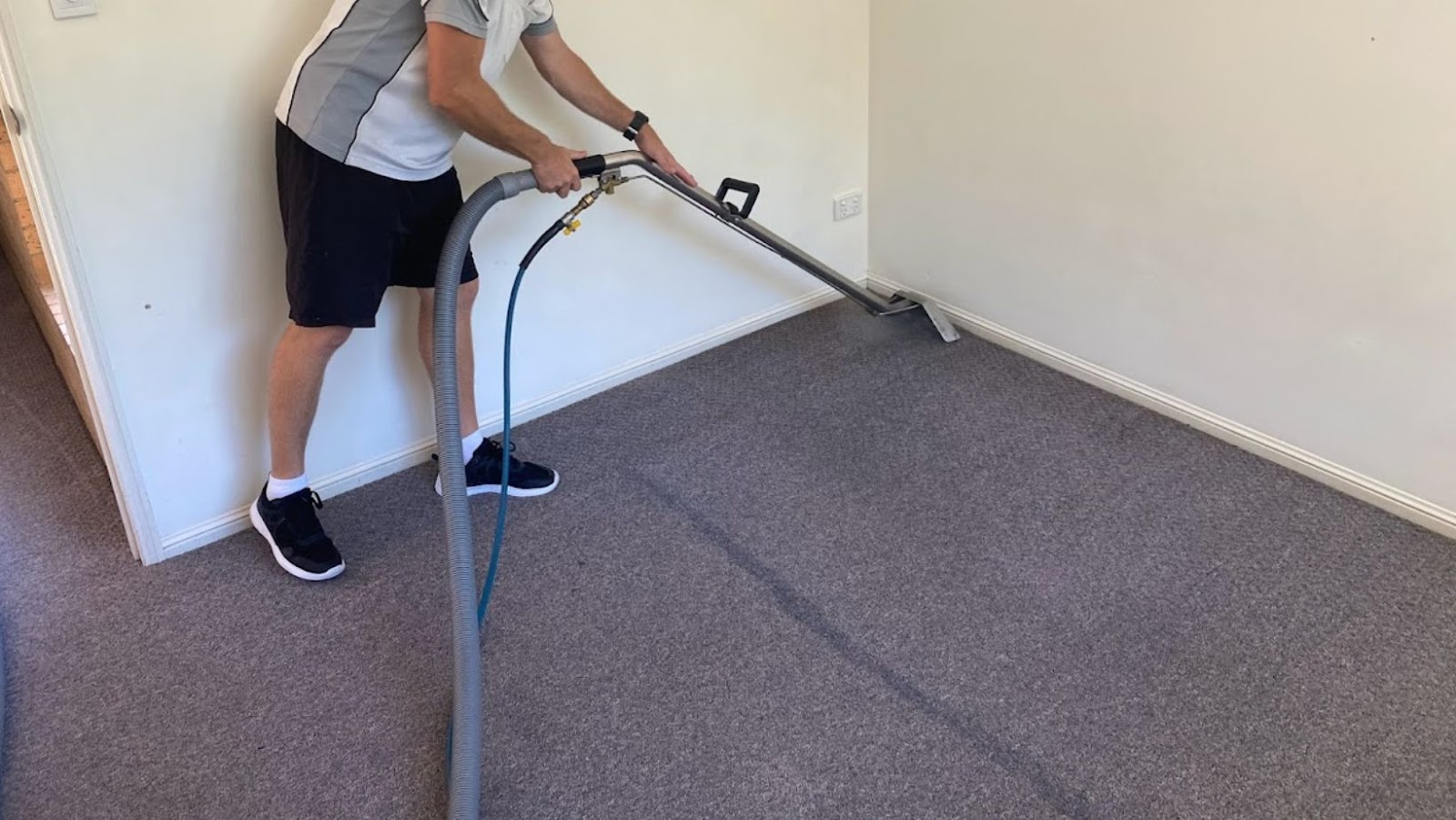
Hot water extraction, often referred to as steam cleaning, is the gold standard in professional carpet cleaning. The process involves injecting hot water (typically between 150°F and 200°F) mixed with a cleaning solution into the carpet under high pressure. The dirt is then extracted along with the water using a powerful vacuum. This method is highly effective for deep cleaning and is recommended by the Institute of Inspection, Cleaning and Restoration Certification (IICRC).
Advantages of hot water extraction:
- Deep cleans and removes up to 90% of dirt and allergens.
- Uses less detergent compared to other methods, reducing residue buildup.
- Ideal for high-traffic areas and heavily soiled carpets.
Limitations:
- Longer drying time (4–12 hours) compared to dry methods.
- Not suitable for delicate or moisture-sensitive carpets without adjustments.
Dry Carpet Cleaning (Compound Cleaning)
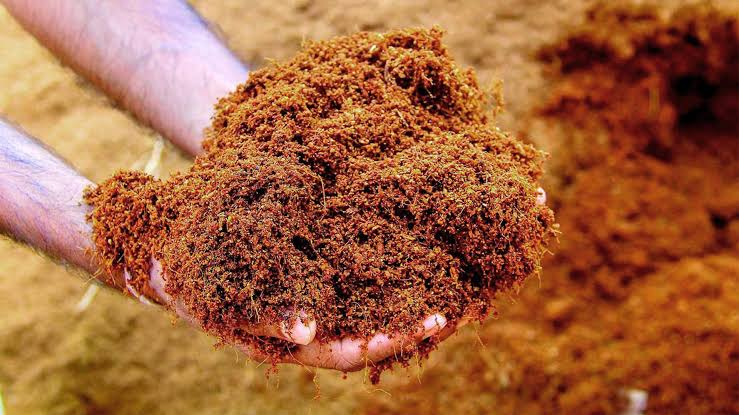
Dry carpet cleaning is a low-moisture method that uses a specialized cleaning compound, often a powder or foam, which is worked into the carpet with a machine. The compound absorbs dirt and is then vacuumed away, leaving the carpet clean and dry. This method is perfect for areas that cannot tolerate moisture, such as offices or homes with sensitive flooring.
Advantages of dry carpet cleaning:
- Quick drying time (1–2 hours), minimizing downtime.
- Safe for delicate fibers and moisture-sensitive carpets.
- Effective for light to moderate soil levels.
Limitations:
- May not remove deep-seated stains as effectively as hot water extraction.
- Some compounds can leave a slight residue if not properly extracted.
Encapsulation Cleaning
Encapsulation cleaning uses a special polymer-based cleaning solution that crystallizes around dirt particles as it dries. Once dry, the encapsulated dirt is easily vacuumed away, leaving the carpet clean. This method is gaining popularity due to its efficiency and eco-friendliness, as it uses less water and fewer chemicals.
Advantages of encapsulation cleaning:
- Fast drying time (1–4 hours).
- Low moisture usage, reducing the risk of mold or mildew.
- Cost-effective for regular maintenance.
Limitations:
- Less effective for heavily soiled carpets compared to hot water extraction.
- May require more frequent treatments for high-traffic areas.
Bonnet Cleaning
Bonnet cleaning is a surface-level method often used in commercial settings for quick touch-ups. A rotary machine with an absorbent pad (bonnet) is used to agitate the carpet’s surface while the pad absorbs dirt and cleaning solution. While effective for routine maintenance, it does not penetrate deep into the fibers.
Advantages of bonnet cleaning:
- Fast and cost-effective for large areas.
- Minimal drying time.
Limitations:
- Only cleans the top layer of the carpet, leaving deep dirt intact.
- Can cause rapid re-soiling if not followed up with deeper cleaning.
Choosing the Right Professional Carpet Cleaner
Selecting a professional carpet cleaner is as important as choosing the right cleaning method. A reputable company can make the difference between a mediocre clean and a transformative result. Here’s what to look for when hiring a professional:
Certifications and Training
Look for technicians certified by organizations such as the IICRC (Institute of Inspection, Cleaning and Restoration Certification). These certifications ensure that the cleaner adheres to industry standards and uses best practices. Additionally, inquire about ongoing training—cleaning technologies and methods evolve, and professionals should stay updated.
Experience and Reputation
A company’s track record speaks volumes. Ask for references or check online reviews to gauge customer satisfaction. Experienced cleaners will have a portfolio of before-and-after photos showcasing their work. Don’t hesitate to ask for case studies or testimonials from previous clients.
Equipment and Cleaning Solutions
High-quality equipment is non-negotiable. Professional-grade machines, such as truck-mounted hot water extractors, deliver superior results compared to consumer-grade equipment. Additionally, ask about the cleaning solutions they use—eco-friendly and non-toxic options are preferable for homes with children or pets.
Customer Service and Transparency
A good carpet cleaner will conduct a thorough pre-inspection, explain the cleaning process, and provide a detailed quote without hidden fees. They should also offer guarantees on their work, ensuring you’re satisfied with the results. Be wary of companies that pressure you into additional services or vague pricing.
The Benefits of Regular Professional Carpet Cleaning
Investing in regular professional carpet cleaning offers numerous benefits that extend beyond aesthetics. Here’s how it enhances your living or working space:
Health and Hygiene
Carpets act as giant filters, trapping dust, pollen, pet dander, and other allergens. Over time, these particles accumulate and circulate in the air, exacerbating allergies and respiratory issues. Professional cleaning removes up to 90% of these contaminants, improving indoor air quality and creating a healthier environment. This is particularly beneficial for households with children, elderly individuals, or those with asthma and allergies.
Additionally, carpets can harbor mold, mildew, and bacteria, especially in humid climates or areas prone to spills. Professional cleaning eliminates these harmful microorganisms, reducing the risk of infections and unpleasant odors.
Extending Carpet Lifespan
Dirt and grit act like sandpaper, gradually wearing down carpet fibers with each step. Regular professional cleaning removes these abrasive particles, preserving the carpet’s texture and appearance. Studies show that carpets cleaned professionally every 12–18 months last significantly longer than those neglected or cleaned with DIY methods. This translates to cost savings in the long run, as you avoid premature replacement.
Enhancing Appearance and Comfort
A freshly cleaned carpet instantly revitalizes a room, making it look and feel cleaner. Professional cleaning restores the carpet’s original color and softness, enhancing the overall ambiance of your space. This is especially important in high-traffic areas like living rooms, hallways, and offices, where carpets endure constant wear.
Moreover, a clean carpet contributes to a sense of well-being. Walking into a room with fresh, plush carpeting can boost mood and productivity, making it a worthwhile investment for both homes and businesses.
Eco-Friendly and Sustainable Benefits
Many professional carpet cleaners now offer eco-friendly options, using biodegradable detergents and low-water techniques like encapsulation. These methods reduce chemical runoff and water waste, making them a sustainable choice. Additionally, extending your carpet’s lifespan through professional cleaning reduces landfill waste, contributing to environmental conservation.
Common Carpet Cleaning Mistakes to Avoid
Even with professional help, certain mistakes can undermine the cleaning process. Here are common pitfalls to watch out for:
Over-Wetting the Carpet
Excessive moisture can damage carpet backing, promote mold growth, and lead to slow drying times. Professional cleaners use precise equipment to control water usage, but homeowners should ensure proper ventilation and avoid walking on the carpet until it’s completely dry.
Using Harsh Chemicals
Strong detergents or bleach-based solutions can discolor carpets, weaken fibers, and leave toxic residues. Always opt for cleaners that use mild, pH-balanced solutions, especially for delicate or wool carpets. Ask your cleaner about the products they use and their safety profile.
Skipping Pre-Vacuuming
Pre-vacuuming removes surface dirt and debris, making the cleaning process more effective. Skipping this step forces the cleaner to work harder, potentially redistributing dirt deeper into the fibers. Always vacuum thoroughly before professional cleaning.
Neglecting Drying Time
Rushing the drying process can lead to mold, mildew, or musty odors. Professionals use air movers and dehumidifiers to speed up drying, but homeowners should keep the area well-ventilated and avoid replacing furniture until the carpet is fully dry.
The Future of Carpet Cleaning: Innovations and Trends
The carpet cleaning industry is evolving rapidly, driven by advancements in technology, sustainability, and customer demands. Here’s a glimpse into what the future holds:
Smart Cleaning Technologies
IoT-enabled cleaning machines are making their way into the industry, allowing technicians to monitor moisture levels, detergent usage, and drying progress in real time. Some companies are experimenting with AI-powered systems that analyze carpet conditions and recommend customized cleaning solutions.
Eco-Friendly and Green Cleaning
As environmental awareness grows, so does the demand for sustainable cleaning practices. Companies are increasingly adopting biodegradable detergents, waterless cleaning methods, and carbon-neutral operations. Some are even exploring plant-based enzymes and citrus-based solvents as alternatives to traditional chemicals.
Low-Moisture and No-Water Methods
Techniques like encapsulation and dry compound cleaning are gaining traction, particularly in commercial settings where downtime is a concern. These methods use minimal water, reducing drying times and environmental impact while still delivering deep cleaning results.
Antimicrobial and Self-Cleaning Carpets
Researchers are developing carpets with built-in antimicrobial properties that inhibit bacterial and fungal growth. Some advanced materials even have photocatalytic coatings that break down organic stains when exposed to light, offering a self-cleaning effect. While still in early stages, these innovations could revolutionize the industry.
DIY vs. Professional Carpet Cleaning: Making the Right Choice
While DIY carpet cleaning machines are readily available, they often fall short of professional results. Here’s a comparison to help you decide:
Effectiveness
- DIY: Consumer-grade machines lack the suction power and heat of professional equipment, leaving behind moisture and residue. They are best suited for light maintenance between professional cleanings.
- Professional: Truck-mounted extractors and high-pressure systems penetrate deep into fibers, removing up to 90% of dirt and allergens. They also use specialized detergents and techniques for stubborn stains.
Cost
- DIY: Initial cost is lower, but the expense of renting machines, buying cleaning solutions, and potential carpet damage from improper use can add up over time.
- Professional: While more expensive upfront, professional cleaning is more cost-effective in the long run. It extends carpet lifespan, reduces the need for replacements, and prevents costly mistakes.
Convenience
- DIY: Requires time, effort, and physical labor. You also need to transport equipment and handle cleanup.
- Professional: Convenient and hassle-free. Technicians handle everything from pre-inspection to drying, leaving you with a fresh, clean carpet.
Safety
- DIY: Risk of over-wetting, chemical burns, or damage to carpet fibers if not used correctly. Some solutions may contain harsh ingredients unsuitable for certain carpet types.
- Professional: Trained technicians use safe, industry-approved products and methods tailored to your carpet’s needs. They also ensure proper drying to prevent mold growth.
Conclusion: Elevating Your Carpets to Their Former Glory
Professional carpet cleaning is a blend of meticulous science and artful execution, transforming worn-out carpets into vibrant, hygienic masterpieces. Whether you opt for hot water extraction, dry cleaning, or encapsulation, the key to success lies in choosing the right method, equipment, and professionals. Regular professional cleaning not only enhances your space’s appearance but also promotes health, extends carpet lifespan, and contributes to sustainability.
By understanding the art and science behind carpet cleaning, you can make informed decisions, avoid common pitfalls, and enjoy the lasting benefits of a professionally cleaned carpet. Invest in your carpets today—they’re the foundation of comfort and style in your home or office.

More Stories
Bright Floors Start with Carpet Cleaning
Carpet Cleaning Hacks for Pet Owners
Carpet Cleaning Made Easy for Busy Homes