

Home transformation does not always require a hefty budget or months of renovations. With a bit of creativity, strategic planning, and resourcefulness, you can refresh your living space in ways that feel both impactful and affordable. Whether you are renting, downsizing, or simply looking to revitalize your home without financial strain, the key lies in focusing on small changes that deliver big results. This guide explores five unexpected strategies to elevate your home’s aesthetic and functionality without breaking the bank.
Introduction & Background
In today’s fast-paced world, the home has become more than just a place to rest. It serves as a sanctuary, a workspace, and a reflection of personal style. Yet, many people hesitate to make changes because they believe transformation requires significant investment. The truth is, some of the most transformative home improvements come from simple, cost-effective tweaks that align with modern design principles and smart resource use. Whether you live in a small apartment or a spacious house, these methods empower you to reimagine your space without compromising your financial health.
Concept & Overview
The idea behind an affordable home transformation revolves around maximizing existing resources, leveraging reusable materials, and applying design psychology. Instead of replacing everything, the focus shifts to repurposing, rearranging, and reimagining what you already own. This approach not only saves money but also reduces waste, making it environmentally friendly. By understanding the core principles of minimalism, color psychology, and spatial arrangement, you can create a home that feels fresh, cohesive, and uniquely yours. The goal is not to achieve perfection but to foster a sense of renewal and comfort within your space.
Key Features & Highlights
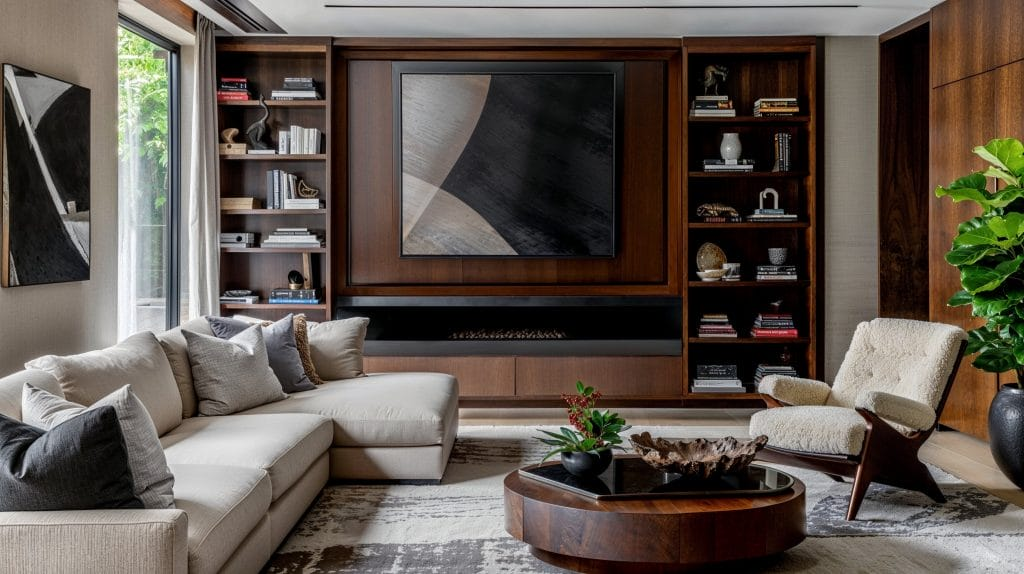
- Repaint with Purpose: A fresh coat of paint can dramatically alter the mood of a room. Focus on accent walls or high-traffic areas to make the most visual impact. Choose light, neutral colors for small spaces to create an illusion of openness, while deeper tones can add warmth and coziness to larger rooms.
- Strategic Lighting: Lighting sets the tone of any space. Swap out harsh overhead lights for soft, layered lighting using table lamps, floor lamps, or string lights. Consider LED bulbs with warm tones for a welcoming ambiance. Adding dimmer switches or smart bulbs can also enhance flexibility and mood.
- Reclaim and Repurpose: Before buying new furniture or decor, take inventory of what you already have. Old crates can become shelves, mason jars can serve as storage, and ladder shelves can hold blankets or plants. Thrift stores and online marketplaces are goldmines for affordable, unique pieces that can be upcycled with a little paint or upholstery.
- Greenery and Biophilic Design: Plants introduce life and color into a home while improving air quality. Even in low-light spaces, succulents or snake plants thrive with minimal care. Pair plants with natural materials like wood or stone to create a calming, nature-inspired environment. Vertical gardens or hanging planters are excellent for small spaces.
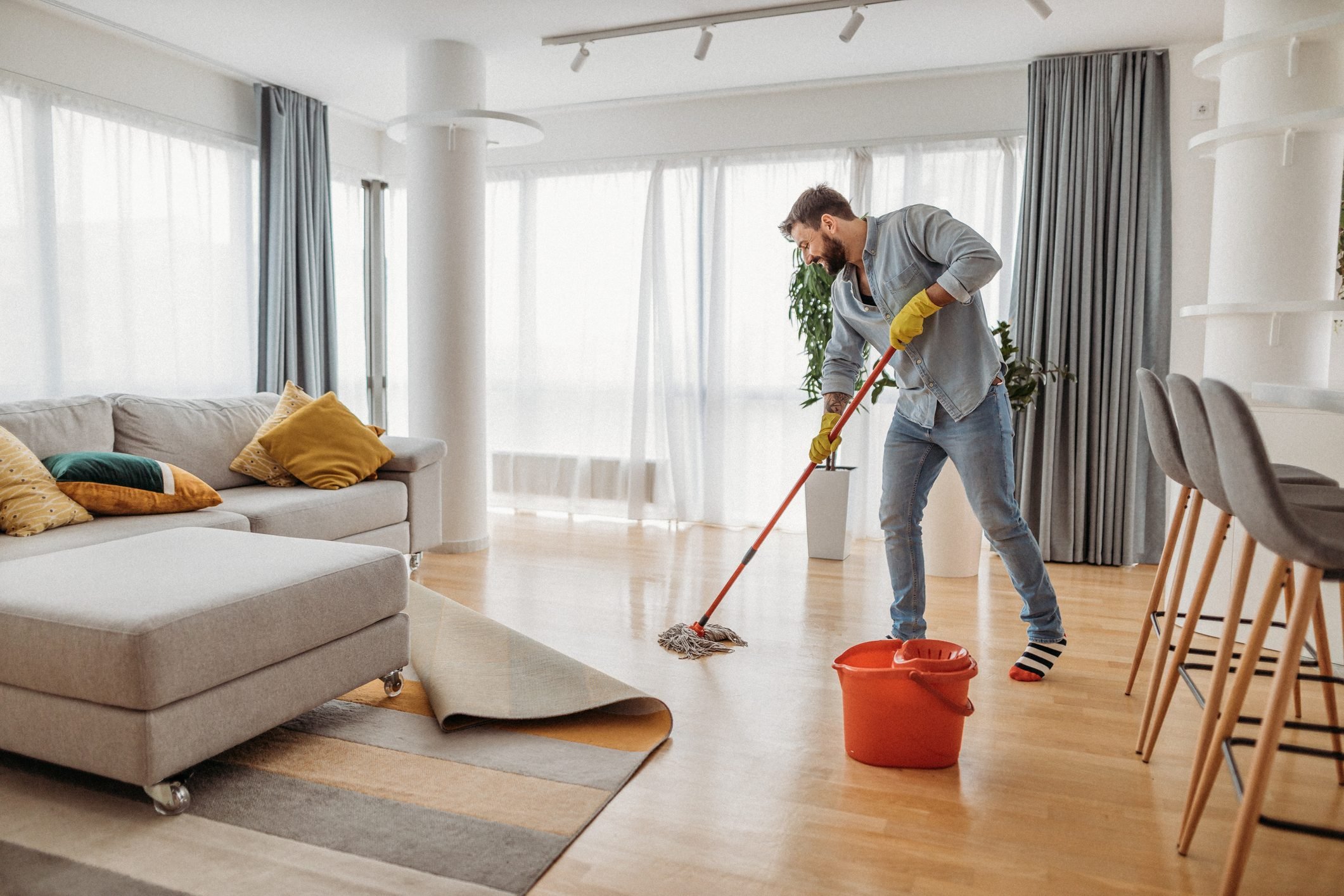
- Rearrange for Flow: Sometimes, the most powerful transformation comes from simply rearranging your furniture. Experiment with different layouts to improve traffic flow, maximize natural light, and create conversation areas. Use rugs to define spaces and add texture, making each zone feel intentional and cohesive.
Frequently Asked Questions / Pros & Cons
Is it really possible to transform a home without spending much money?
Absolutely. Many homeowners have achieved remarkable results by focusing on creativity over cost. The key is to prioritize changes that offer the highest visual impact for the lowest investment, such as paint, lighting, and rearranging existing items.
What are the biggest challenges when transforming a home affordably?
The most common challenges include limited access to tools, difficulty finding quality secondhand items, and resistance to letting go of old habits in decor. Additionally, some people underestimate the time and effort required for DIY projects, which can lead to frustration if not planned properly.
How do I choose the right colors for a small space?
For small spaces, opt for light, soft colors like whites, creams, and pastels to create an open, airy feel. Avoid dark or bold colors on walls, as they can make a room feel cramped. Instead, use these tones for accent pieces like cushions, rugs, or artwork to add depth without overwhelming the space.
Can repurposed furniture look stylish and modern?
Yes, with a bit of sanding, painting, or reupholstering, secondhand furniture can look brand new. Focus on clean lines, neutral tones, and minimal hardware to achieve a modern aesthetic. Adding unique handles or legs can also give old pieces a contemporary edge.
What’s the most cost-effective way to update a kitchen?
Updating cabinet hardware, painting cabinets, and replacing old faucets are among the most affordable ways to refresh a kitchen. Adding open shelving with simple wooden boards can also modernize the space. For countertops, consider affordable materials like laminate or butcher block that mimic the look of more expensive options.
Practical Guidance & Solutions
Start by decluttering your space. A clean, organized home automatically feels more spacious and inviting. Use the one-in, one-out rule to maintain balance and prevent clutter from returning. Next, tackle one room at a time to avoid feeling overwhelmed. Begin with the areas that see the most use, such as the living room or kitchen.
When selecting paint colors, test samples on your walls and observe how they look at different times of day. Natural light can drastically change the appearance of a color, so choose shades that complement your lighting conditions. For lighting upgrades, shop for sales or secondhand fixtures to save money. Thrift stores, flea markets, and online platforms like Facebook Marketplace are great places to find unique lighting pieces at a fraction of the retail price.
To repurpose items effectively, think beyond their original purpose. An old door can become a headboard, a wooden pallet can transform into a coffee table, and glass bottles can serve as vases. Use tutorials and inspiration from DIY blogs or social media for step-by-step guidance. Don’t be afraid to experiment with bold colors or patterns on smaller items like cushions or curtains, as these are easier to replace if you change your mind later.
Incorporating greenery doesn’t have to be expensive. Start with low-maintenance plants and gradually expand your collection as you gain confidence. Place plants near windows for natural light, but avoid direct sunlight for species that prefer shade. Grouping plants together can create a striking visual impact while also improving air circulation.
Finally, give your furniture arrangement a fresh perspective. Measure your space and sketch potential layouts before moving heavy pieces. Use painter’s tape to outline furniture placement on the floor to visualize the flow. Rotate your furniture seasonally to keep the space feeling updated and aligned with your lifestyle.
Conclusion
A home transformation does not need to be a daunting or expensive endeavor. By embracing creativity, resourcefulness, and strategic planning, you can refresh your space in ways that feel both meaningful and manageable. Whether it’s through a bold paint choice, a carefully curated lighting scheme, or the simple act of rearranging your furniture, small changes can yield extraordinary results. Remember, the goal is not to achieve a magazine-worthy perfection but to cultivate a home that feels authentically yours, comfortable, and inspiring. Start small, stay patient, and enjoy the process of rediscovering your space one step at a time.


More Stories
Maximize Space Through Home Improvement Tips
Home Improvement Secrets for Lasting Comfort
Effortless Style via Home Improvement Projects