

Introduction & Background
As we move deeper into 2024, the landscape of home improvement continues to evolve at a rapid pace. Homeowners are no longer satisfied with mere renovations; they seek transformative upgrades that blend innovation, sustainability, and functionality. The global push towards smarter, greener, and more adaptable living spaces has sparked a wave of cutting-edge trends that redefine how we interact with our homes. From energy-efficient systems to AI-powered interiors, these advancements are not just about aesthetics. They represent a fundamental shift in how we live, work, and play within our personal sanctuaries.
This year has already seen remarkable breakthroughs in materials science, automation, and design philosophy. With climate change concerns mounting and technology becoming more accessible, the home improvement industry is responding with solutions that prioritize both comfort and responsibility. Whether you’re a first-time homeowner or a seasoned renovator, staying ahead of these trends can enhance your living experience while adding long-term value to your property.
Concept & Overview
The concept of “Revolutionary Upgrades” in 2024 revolves around integrating innovation into everyday living spaces without compromising on comfort or style. At its core, this movement emphasizes three key pillars: sustainability, intelligence, and adaptability. Sustainability focuses on reducing environmental impact through eco-friendly materials and energy solutions, while intelligence leverages technology to automate and optimize home functions. Adaptability, on the other hand, ensures that these upgrades remain relevant as lifestyles and needs change over time.
This year’s trends are characterized by their ability to merge form and function seamlessly. Gone are the days when upgrades were purely aesthetic or purely functional. Today’s home improvements are holistic, addressing multiple aspects of daily life while aligning with broader societal goals. From self-healing concrete to modular furniture systems, the ideas emerging in 2024 are pushing the boundaries of what is possible in residential design.
Key Features & Highlights
- Smart Home Integration Redefined: The latest smart home systems are moving beyond voice assistants and basic automation. In 2024, homes are equipped with AI-driven platforms that learn user habits, predict needs, and adjust settings automatically. For example, thermostats now adapt to your schedule, lighting systems adjust based on natural light levels, and security systems can differentiate between family members and intruders with facial recognition technology.
- Sustainable Materials Revolution: Eco-conscious homeowners are turning to materials like recycled steel, reclaimed wood, and bio-based composites. Innovations such as self-healing concrete, which repairs cracks using embedded bacteria, and mycelium-based insulation, made from fungal networks, are gaining traction. These materials not only reduce the carbon footprint of construction but also enhance durability and longevity.
- Modular and Multi-Functional Spaces: The pandemic has permanently altered how we use our homes, prompting a surge in demand for flexible spaces. Modular furniture, foldable walls, and convertible rooms allow homeowners to transform a single area into a home office, guest bedroom, or entertainment zone with minimal effort. This trend is particularly popular in urban dwellings where space is at a premium.
- Energy-Efficient Solutions: With rising energy costs and environmental concerns, homeowners are investing in cutting-edge solutions like solar roof tiles, geothermal heating systems, and smart windows that tint automatically to regulate temperature. These upgrades not only reduce utility bills but also contribute to a home’s resale value and sustainability credentials.
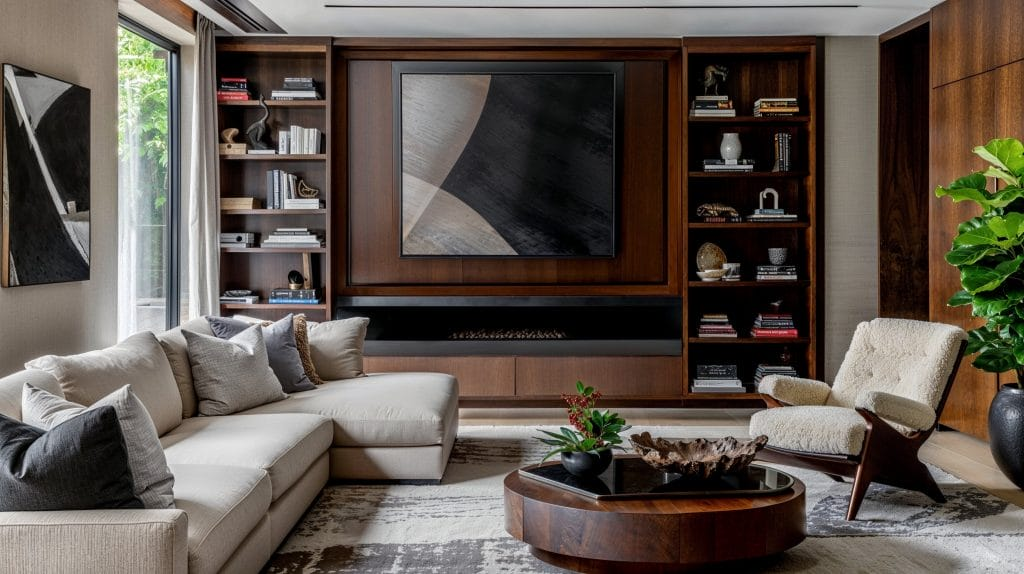
- Biophilic Design Integration: The connection between nature and well-being has become a cornerstone of modern home design. In 2024, biophilic design principles are being incorporated through living walls, indoor gardens, and large windows that maximize natural light. These elements are proven to reduce stress, improve air quality, and boost overall happiness, making them a must-have for health-conscious homeowners.
- Advanced Water Management Systems: Water conservation is a growing priority, leading to the adoption of greywater recycling systems, low-flow fixtures, and smart irrigation for gardens. Some homes are even integrating rainwater harvesting systems that store and filter water for household use, reducing reliance on municipal supplies.
Frequently Asked Questions / Pros & Cons
What are the biggest benefits of investing in smart home upgrades?
Smart home upgrades offer unparalleled convenience, security, and energy efficiency. They allow homeowners to control lighting, temperature, and appliances remotely, reducing energy waste and lowering utility bills. Enhanced security features, such as smart locks and surveillance cameras, provide peace of mind, while AI-driven systems like voice assistants streamline daily tasks. The long-term savings on energy costs and potential insurance discounts further add to the financial benefits.
How do sustainable materials compare to traditional ones in terms of cost and durability?
While sustainable materials often have a higher upfront cost, they typically offer better long-term value. For instance, bamboo flooring is more durable than traditional hardwood and grows much faster, reducing environmental impact. Reclaimed wood and recycled metals are also known for their strength and longevity. Additionally, many eco-friendly materials require less maintenance over time, which can offset the initial investment. However, it’s important to research specific products, as quality and durability can vary widely.
Are modular spaces practical for long-term use, or do they feel temporary?
Modular spaces are designed for flexibility without sacrificing comfort or style. High-quality modular furniture and systems are built to last and can be reconfigured multiple times without wear and tear. Many homeowners find that these spaces adapt seamlessly to changing needs, such as transitioning from a home office to a guest room. The key is to invest in well-crafted, durable modular solutions rather than cheap alternatives that may feel flimsy or temporary.
What are the main challenges of integrating renewable energy systems like solar or geothermal into a home?
The primary challenges include the initial cost of installation and the need for adequate space or geological conditions. Solar panels require sufficient roof space and sunlight exposure, while geothermal systems demand specific soil or ground conditions. Additionally, navigating local regulations and obtaining permits can be complex. However, many governments offer incentives, tax credits, or rebates to offset these costs. It’s advisable to consult with a professional installer to assess feasibility and explore financing options.
How does biophilic design impact health and well-being?
Biophilic design has been scientifically proven to reduce stress, enhance creativity, and improve air quality. Studies show that exposure to natural elements, such as plants and natural light, can lower cortisol levels and boost mood. Indoor plants also act as natural air purifiers, removing toxins and increasing oxygen levels. Homes with biophilic design elements are often perceived as more tranquil and inviting, making them ideal for relaxation and productivity.
What are the downsides of advanced water management systems?
While water management systems offer significant benefits, they can be costly to install and maintain. Some systems, like greywater recycling, require professional setup and regular servicing to ensure proper function. There may also be limitations in certain climates or regions where water scarcity is not a concern. Additionally, homeowners should be aware of local regulations regarding greywater usage, as some areas restrict its use for irrigation or household purposes. It’s essential to weigh these factors against the long-term savings and environmental benefits.
Practical Guidance & Solutions
When considering revolutionary upgrades for your home in 2024, start by assessing your priorities. Are you looking to reduce energy costs, enhance comfort, or improve resale value? Once you’ve identified your goals, research the latest technologies and materials that align with them. For smart home systems, opt for platforms that integrate seamlessly with existing devices and offer scalability for future upgrades.
If sustainability is a priority, explore local suppliers of eco-friendly materials and compare prices and reviews. Many companies now offer samples or consultations to help you make informed decisions. For modular spaces, measure your available area carefully and choose furniture that matches both your aesthetic and functional needs. Investing in high-quality, versatile pieces will ensure longevity and flexibility.
For renewable energy systems, consult with certified installers to determine the best fit for your home. They can provide detailed cost estimates and help you navigate incentives or financing options. When integrating biophilic design, start small with indoor plants or a living wall, then expand to larger projects like skylights or water features. Consider hiring a designer who specializes in biophilic principles to maximize the benefits.
Lastly, always check local building codes and regulations before undertaking major upgrades. Some improvements may require permits or professional certifications. Taking the time to plan and research will ensure a smooth, successful transformation of your home.
Conclusion
The home improvement trends of 2024 are more than just fleeting fads; they represent a fundamental reimagining of how we live. By embracing smart technology, sustainable materials, and flexible design, homeowners can create spaces that are not only beautiful but also efficient, healthy, and future-proof. Whether you’re renovating a single room or overhauling an entire property, these cutting-edge upgrades offer the opportunity to enhance your quality of life while contributing to a more sustainable world. As technology continues to advance and environmental awareness grows, the homes of tomorrow are being built today. Now is the perfect time to invest in the upgrades that will define the future of comfortable, responsible living.


More Stories
Smart Readers Choose News Home Daily
News Home Updates for Smarter Choices
Housing Market Unveiled: Trends, Turmoil, and Tomorrow’s Forecast